Introduction to precepting

An effective preceptor should exhibit:

  • enthusiastic, open-minded, and professional attitude
  • knowledgable regarding: pharmacology, med safety best practises, and how to be efficient with time
  • skills: strong communication skills, EBM, stats, and problem solving
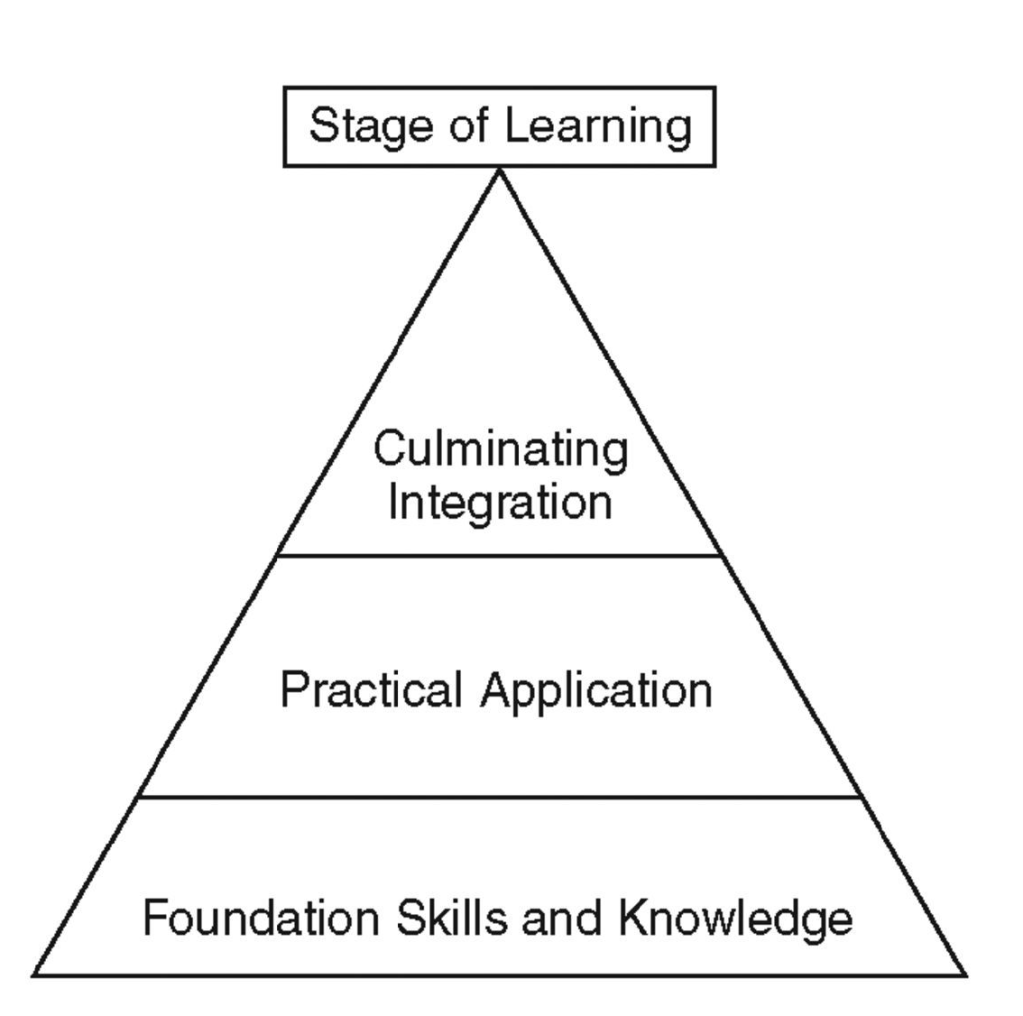
As a preceptor it is very important to identify where your learner is with regards to where they fall on the above image. Preceptors can initially get a good understanding of the students foundational skills and knowledge, and once that is established they can then build upon that with regards to practical application and culminating integration.

Great tips for how to question a student regarding their patient workup. It is very important to identify if the student is struggling at all with regards to: overwhelmed, anxious, distracted, as this can pose as a barrier to getting the appropriate answers from the student

Other powerful questions include:

  • How would you pull all of this together
  • What is your game plan
  • What are your next steps
  • How is this related to that
  • Why is this significant
  • What would be an entirely different approach
  • What impact will this have on the pt or a certain disease state
  • What is important about

It is important to provide learners with feedback daily. Do not sandwich feedback. If you have trouble discussing negative feedback with a student make that clear to them and state it is something you are working on.
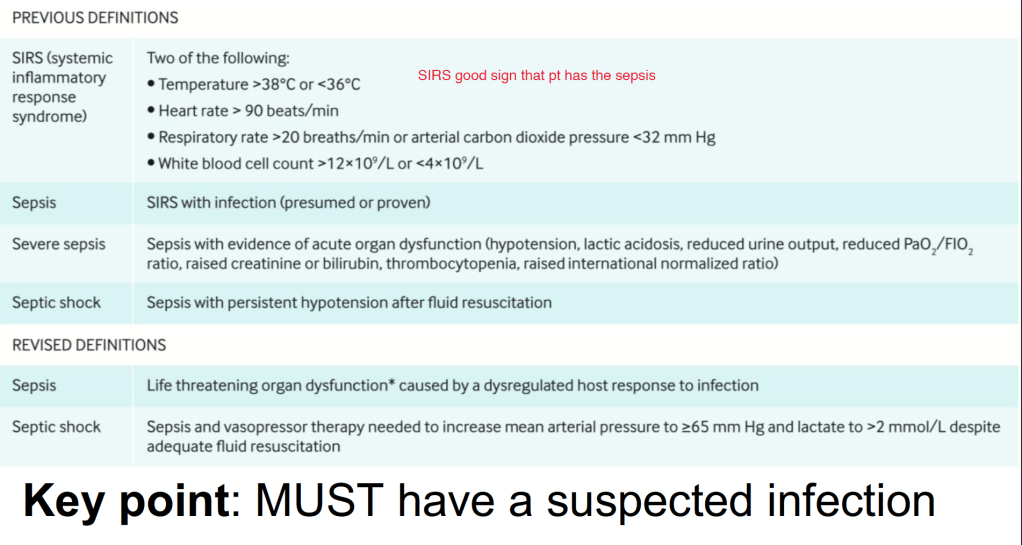
ADS: Sepsis:

Definitions:

Sepsis: A severe systemic inflammatory response to an infection that leads to physiologic, pathologic, and biochemical abnormalities (a dysregulated response)

No end organ dysfunction in SIRS
In qSOFA the pt must have end organ dysfunction

Risk Factors for Sepsis:

Male, Age (elderly), Cancer, Recent surgery, IV Drug Use, Indwelling Lines

Cool fact!!: Some hospitals have CODE SEPSIS teams, b/c evidence shows the quicker we treat, the lower the mortality

It is flu season so I wonder if I will see this during my ER rotation (Pneumo Sepsis)?

Surviving Sepsis Guidelines provide insight into how to manage Sepsis, most sites reject this, however this could be the way of the future.

Approach to Antibiotics in Sepsis:

It is very important that we assess the RF for resistance that a patient may have. Not doing this could result in increased mortality.

VD may increase for some ABx in critically ill patients. Consider NOT renally dose adjusting ABx (In pts on B-lactams we consider the risk of seizures, and this is actually low in the first 48 hours, also the risk of AIN is normally due to prolonged exposure and is not dose related.).

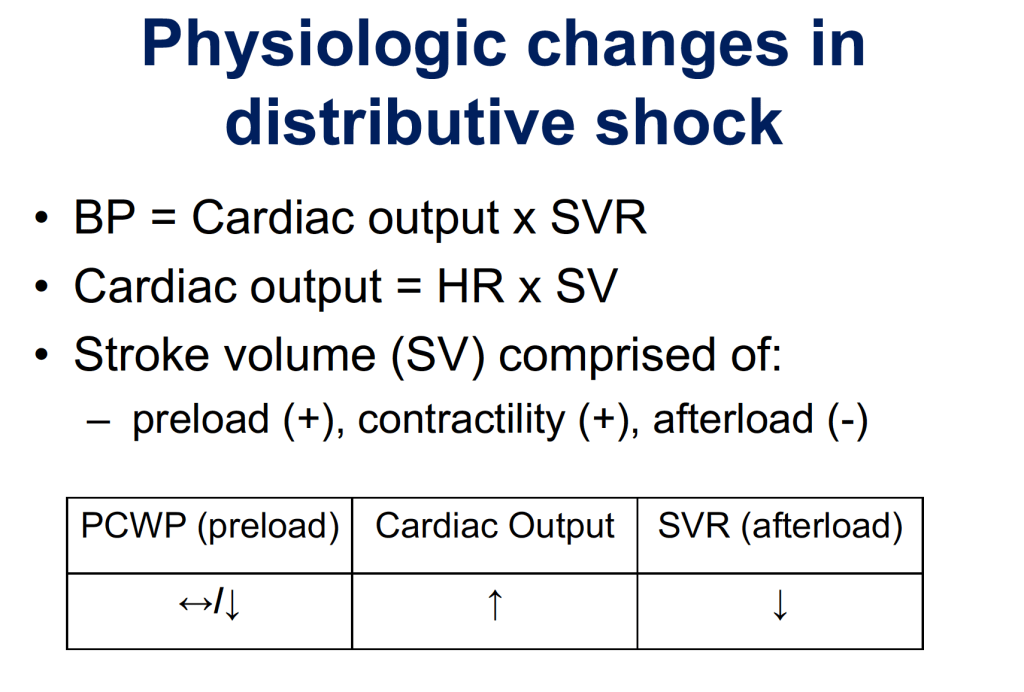
Septic Shock: Hypotensive despite getting fluids (30ml/Kg) with a infection

Septic Shock is a type of Distributive shock: Loss of peripheral and vascular resistance. There are three types of distributive shock: Septic, Anaphylactic, Neurogenic (Spinal cord injury)

ADS for AKI, CV, and Fluids and Lytes

  • Should try to maintain your CV in order to ensure you’re UpToDate on everything you have done.
  • CV can be the first impression of you to people.
    • Showcases organization, attention to detail
  • Resume is not the same as a CV:
    • Resumes are more tailored to the job you are applying too CV’s are longer with more detail ICEBERG model helps defines the difference. The top of the iceberg is the resume, but the CV is the whole ICBERG. CV is a document of your life as a professional, of everything that makes you a professionalCV lists things such as:
      • RotationsPresentations Professional services Awards Education Community services
  • Good to keep the CV updated so that you can create a resume off of it
  • CV showcases your trajectory. It shows how much other stuff you do along with your job.
  • CV shows elevation, meaning it shows that you are continually learning
  • Need to showcase that you have both people and technical skills
  • Having a CV allows you to identify gaps for you to fill, i.e. you see that you have not presented in a while so then you can go out and present
  • Have a date each month where you go and update your CV
  • What should go in:
    • Degrees Residency and rotationsCommittee/Organizations Certifications Professional licence Research and research in project Peer reviewed/invited presentations Section for abstracts Newsletters Manuscripts Skills Continuing education Accredited events If you have been a preceptor Theundercoverrecruiter.com (shows what not to put in the CV)

Fluid and Lytes:

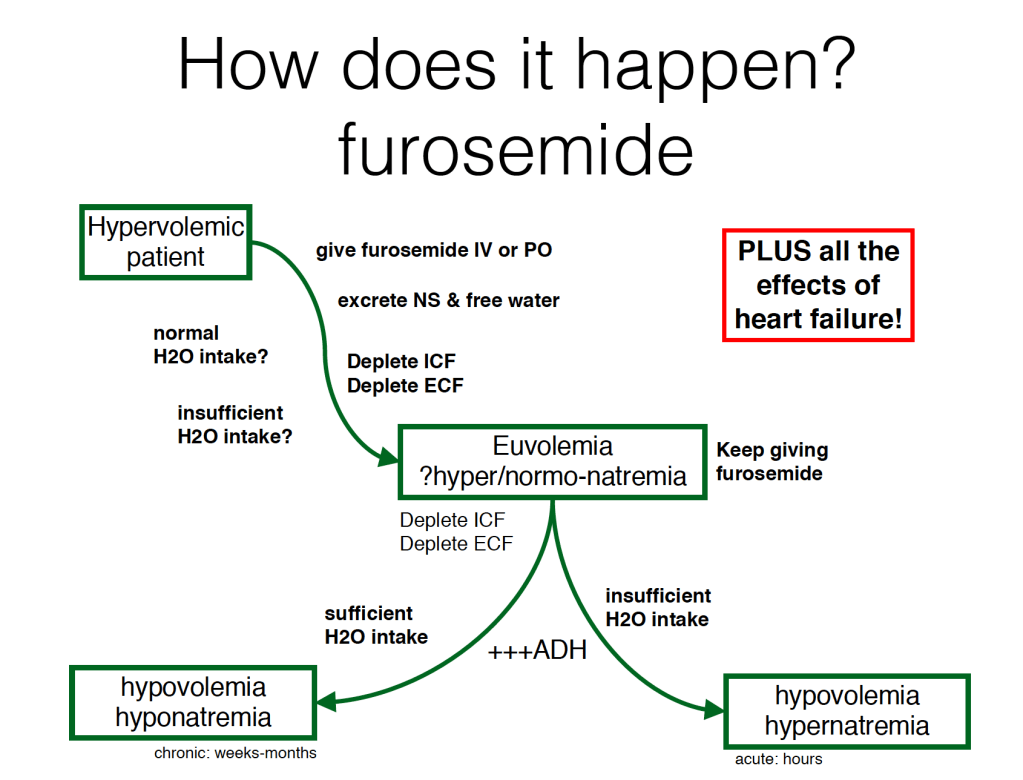
http://static1.1.sqspcdn.com/static/f/1097468/28188582/1568662967263/Na-H2O_Assessment_and_Therapeutics_PLOP_1-pager_Loewen.pdf?token=Cwg4zP%2FnXWxZ1xJglX%2ByXjq9IIM%3D (This is a link to Dr. Loewens one pager for understanding Sodium and Water balance.

The mechanism for how SIADH results in Hyponatreamia. See One-Page made by Dr.Loewen for the treatment plan. Main treatment is to remove offending agent
Removal of HCTZ

Types of AKI:

  1. Pre-renal AKI: Main causes: hypovolemia. Some drug causes include: ACEI, NSAID, Diuretics, Calcineurin inhibitors, Amphotericin B
  2. Intra-renal AKI which is a result of damage to the renal structures which includes: acute tubular necrosis, interstitial nephritis, and vascular causes
  3. Post renal AKI: due to obstruction

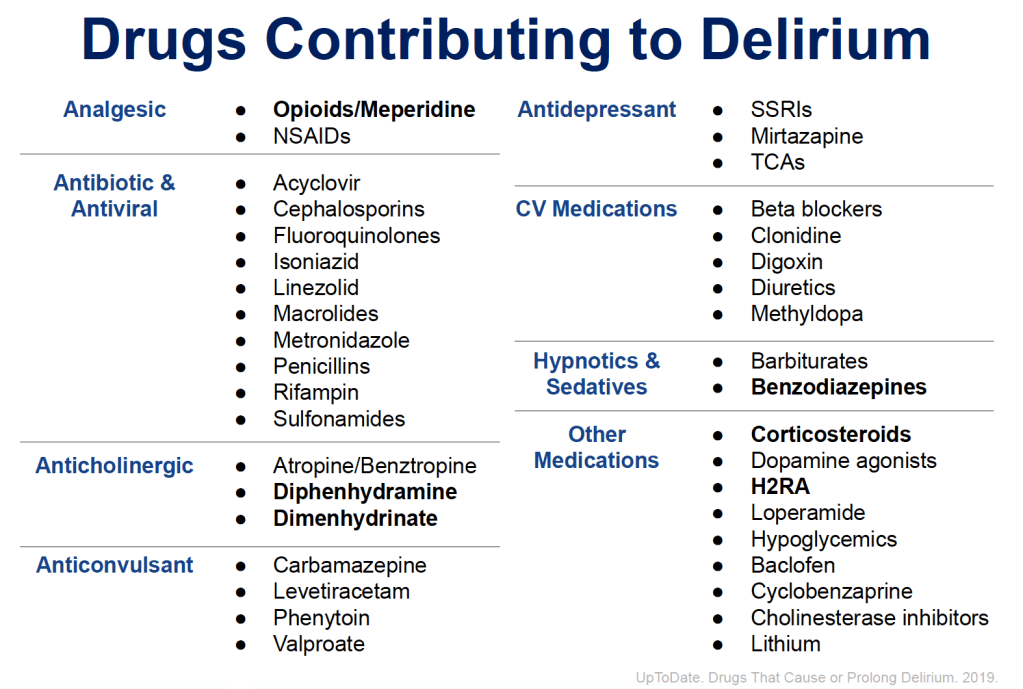
Acyclovir can cause acute tubular necrosis and it can present as snow (crystals) in the urine. In order to prevent this patients should be hydrated with NS before each dose.

ADS day for CHF and Lytes

Signs and Symptoms of HF

RSP shortness of breath, orthopnea, paroxysmal nocturnal dyspnea, cough, crackles
GI ↑weight, distended abdomen, hepatomegaly
Liver/Renal nocturia
Derm peripheral edema, cool extremities
Vitals ↑HR  ↓BP  ↑RR  ↓O2 Sat
CNS/Neuro confusion, disorientation, fatigue
HEENT moist mucous membranes
CVS pitting edema, ↑JVP, S3, S4, ↑BNP, ↑trop, cardiomegaly

A low BNP indicates no HF, an elevated BNP helps rule in HF but is not the main test for diagnosis.

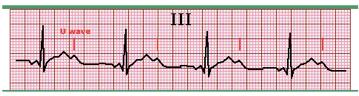
In Hypokalemia a patient will present with U wave abnormalities on an ECG

In patients with concurrent hypomagnesemia, potassium stores will not replete until the Mg++ imbalance is corrected as low Mg++ stimulates Na-K ATPase

ADS Day for Phenytoin, Digoxin, CAP/VAP/HAP

  • CKD causes the displacement of Phenytoin, be cautious in patients with CKD who are experiencing a seizure
  • For Digoxin when you double the dose you will double the level
  • Levels for Phenytoin should be ordered 2-4 hours post IV load, Maintenance level should be ordered at steady state which occurs at 7-21 days
  • In Canada we do not have high incidences of atypical infections and we cannot identify them in the lab, except for urine antigen test for legionella
  • On antibiograms <80 = a high failure rate with antibiotics
  • Clarithromycin causes more drug-drug interactions compared to other macrolides

ADS week

During my ADS I truly learned a lot. I found each session to be very engaging and thought provoking. My main take aways from each session are listed below:

  1. MUE:
    1. When Creating an SBAR it is very important that you define the research questions you are looking into. This is very important as it allows your audience/reader to get a better understanding of what it is you are looking into.
    2. It is also very important to state your search strategy, the keywords which you used and why you included/excluded certain trails. This is important as it shows the audience/reader the work you did for the SBAR.
    3. For trials that are looking at anticoagulants a 24-hour cut-off for bleeds is not right as depending on the half-life of the drug, it could still be in the body. It is more appropriate to keep the cut off to a standard duration of time utilized for other outcomes, such as 30 days. This should allow you to capture enough data regarding the safety of the medication.
  2. Intro to ID:
    1. References:
    2. Sanford is a good guide but need to check local antibiograms as Sanford is American
    3. Mandel’s guide: Comprehensive resource for antibiotics which is available in the online UBC library
    4. Pseudomonas is normally found in water and soil
    5. Dimorphic fungi are those that look like yeast or mold depending on their environment. Yeast in the beast (humans), Mold in the cold
    6. Acute phase reactant laboratory values:
      1. CRP
      2. ESR
      3. Plts
      4. Ferritin
  3. Guidelines and Conflict of Interest:
    1. As pharmacy residents we must think about the guidelines like they are buying guide. It is up to us to research the evidence for each treatment to fully understand the benefits and risks for our patients.
    2. We cannot follow surrogate markers
    3. Example: A1C goes down does not mean bad things will not happen as glitazones reduce A1C but increase risk
    4. LDL lowering does not mean CV mortality benefit as fibrates and ezetimibe both decrease LDL but possess no CV mortality benefit
    5. In trials where targets are created only ~50% of the pts meet the target
  4. Parenteral Drug Safety:
    1. For most drugs we need to give them at their specified durations, we should not give them for shorter periods, however we can get away with giving them for longer durations.
    2. Short term peripheral catheters should only be left in place for max 7-8 days
    3. The two types of central lines are PICC & Hickman
    4. When we are asked about IV drug compatibility, we must ask the following questions:
      1. Type of line
      2. Location of the patient
      3. Length of administration of the medication
  5. Pharmacokinetics:
  6. Use ABW for volume of distribution calculations
  7. For smaller pts we use ABW for aminoglycosides
  8. K is a dependent variable and it is calculated using Vd and Cl
  9. We can get tau by using half-lives (essentially see how many half-lives would give you the desired levels)
  10. It is easier to use the Tau formula and just picking your desired peak and trough levels
  11. In the calculation for BSA we use real weight, for non-obese we use ABW in CrCl
  12. Pneumonia target for AMG is 8-10mg/L
  13. VA guidelines are simpler in terms of dosing for AMG
  14. We want to draw levels at the 3rd dose as we are at steady state
  15.  Use ABW for those pts who are < 125% IBW
  16. Once daily vs conventional AMG:
    1. Equal efficacy as conventional and may have less treatment failure
    1. AMG have a post ABX effect
    1. Possibly less nephrotoxic
  17. Kentucky manual gives an AMG dosing recipe
  18. Kinetic calculations are the same for AMG and Vanco
  19. Redman syndrome is a non-allergic reaction, if it occurs we do not have to switch to another abx, it can be treated with antihistamines
  • Translating Evidence:
  • PICO needs to be specific enough to apply to patient, but not too specific so there is no evidence on it
  • Specific
  • Measurable
  • Achievable
  • Relevant
  • Time-Based
  • Do not use the phrase “no evidence”, just state that there is low quality evidence (explain that)
  • Confirmation Bias: This is when you have a subconscious belief and collect data for our belief
  • BMJ holiday reading provides humours evidence
  • Identify problem
  • Have rationale
  • Give recommendation

For the PICO questions we should include:

  • Know what the patient was on previously
  • Setting
  • Making the intervention and comparators more specific
  • Outcomes wanted
  • Define the pt population
  • Do not be too specific as setting in do not set a specific laboratory value, just say low this or high this
  • Need to be able to measure the outcome

Acute recognition of a chronic problem is not an emergency

  • Ombudsperson
    • Who are they?
      • Promote a positive climate for residency education
      • Independent from the residency and are a confidential resource for residents with training related concerns
      • Provide us with advice to resolve conflict
      • Address consistent issues
    • Appointment
      • A person with minimal bias
      • Not involved in our training
      • Not involved in our evaluation
      • Not involved in the hiring of residents
    • Goal of the Ombudsperson
      • Provide coaching
      • Provide resource for support
      • Ensure we receive fair and equitable treatment
      • Share feedback and recommendations to help improve the training environment
    • Advise for surviving residency
      • Get organized
      • Effective communication is essential
      • Set reasonable goals
      • Do not ignore stress
      • Seek assistance early
  • BC Wide Case Presentations
    • Goals:
      • Deliver a well-organized case presentation using well developed vernal and non-verbal skills
    • Patient should have an actual or potential DTP
    • The DTP of focus may not be the primary DTP for your patient
    • The BC case can be a common condition
    • The learning objectives should be SMART, it should give insight into what they should be able to do after listening to your presentation
    • GOT should go after DTPs
    • Background can come before or after the pt case (after might be more helpful for audience, but do what makes sense)
    • Align your DTP and clinical question
    • Need to discuss alternatives, may be beneficial to include this into background
    • Or you can present the clinical question, and then list the alternatives and state why those are not applicable
    • If your search is too narrow, take a step back and broaden your search scope and if the question is too broad narrow it
    • Provide critiques as you are presenting the evidence
    • Always need to backup what you say is a limitation. Cannot just list a limitation and not state how it would affect the trial.
    • For monitoring plan ensure it does not state monitor for hypokalemia, actually state what you are monitoring and how you will monitor
  • Translating evidence to the patient
    • Setting the stage
    • Use Framing language
      • Something along the lines of there are several options and we are going to discuss the benefits and risks of them
    • Understand the patients experience and expectations
    • Building Partnerships
    • Explain the disease
      • Why
      • How
      • What
    • Explain the medications
    • Provide the evidence on benefit and risk
    • Elicit the patient’s beliefs, values and preferences
    • Discuss a shared recommendation
    • Checking for understanding and agreement
    • 15% die from strokes, 10% have long term disability, 15% have moderate disability
    • Non-modifiable RF for a bleed:
      • Age
      • Previous major bleed
      • Previous stroke
      • Liver dysfunction
      • Renal dysfunction
    • Modifiable RF for a bleed:
      • HTN > 160
      • Alcohol use
      • Drug interactions
    •  Patient clinician basic principles:
      • Mutual respect
      • Harmonized goals
      • A supportive environment
      • Appropriate decision partners
      • The right information
      • Transparency and full disclosure
      • Continuous learning
Design a site like this with WordPress.com
Get started